
Women In
Technical Aviation
at STS
Q&A with Beri Yurtsever


Beri Yurtsever
Technical Services Manager at STS
Role and Background
Can you tell us about your role at STS and your journey in aviation so far?
After graduating from University in Mechanical Engineering in Turkey in 2013, I began my aviation career with SunExpress Airlines before moving into a technical consultancy role, which provided opportunities to work with a wide range of airlines and lessors globally. This experience gave me a well-rounded understanding of the industry.
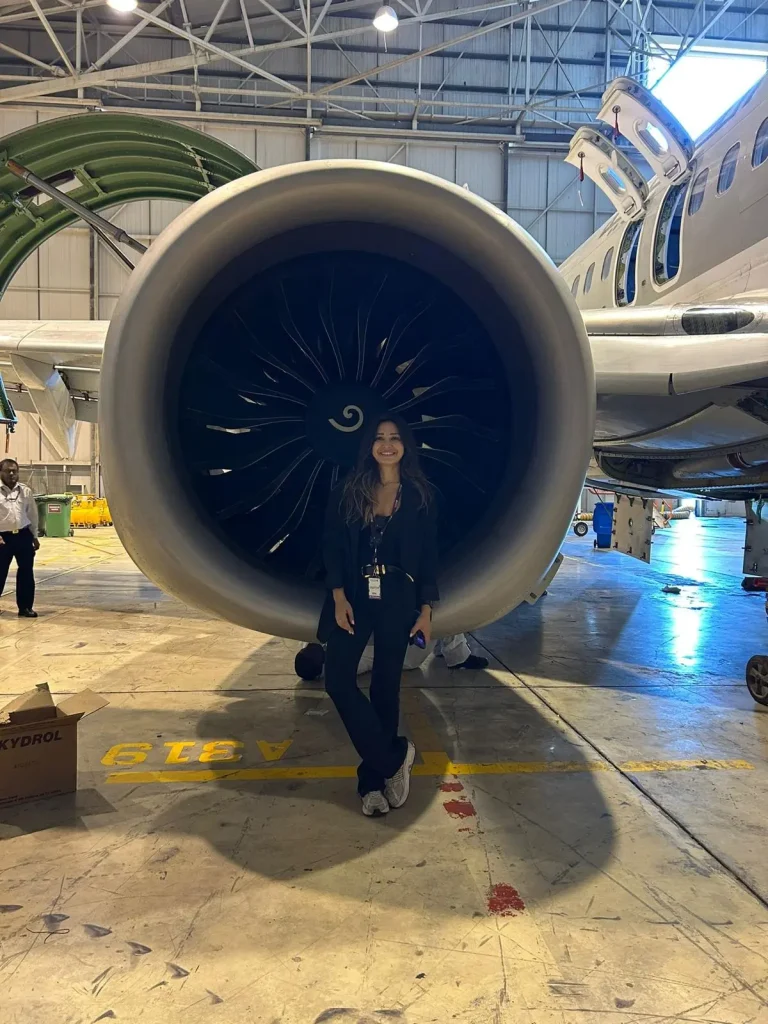
I’m currently a Technical Services Manager at Shannon Technical Services, a position I have held since October 2021, managing technical projects on behalf of lessors and operators, including aircraft transitions, inspections and deliveries.
My role involves coordinating closely with engineering teams, airlines, lessors, and third parties to ensure projects run smoothly from start to finish. STS has been a progressive and supportive employer throughout my journey, providing an accommodating environment that has enabled both professional growth and continued development.
Understanding Your Day to Day Duties
For those less familiar with Technical Services Managers, what does your day to day typically involve?
In general, we provide technical services to lessors and airlines, covering everything from pre-delivery inspections to transition management. I support and guide our engineering teams while acting as the main coordination point for customers and external partners.
Although much of the work is managed remotely, I travel on site when needed, depending on the project. Since COVID, remote working has become more widely accepted across aviation, and I’ve found it has increased efficiency while still allowing flexibility when physical presence is required.
Career Inspiration
What inspired you to pursue a career in technical aviation?
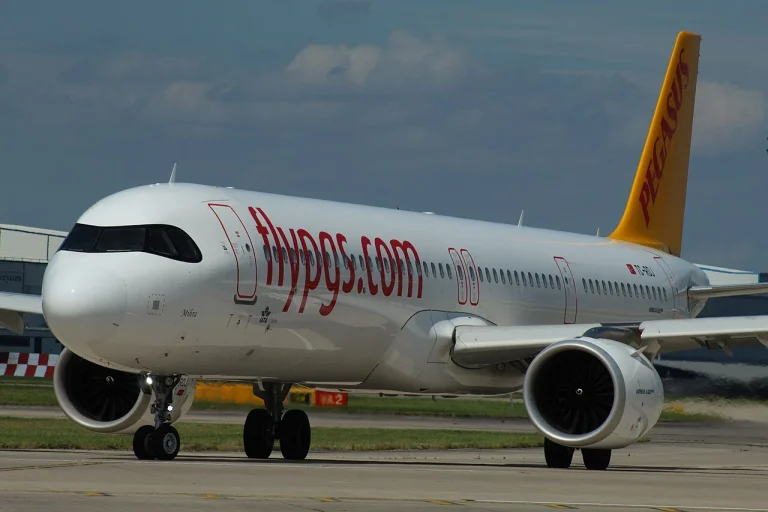
During university, I completed internships across several industries before working with Pegasus Airlines. That experience confirmed aviation was where I wanted to be. It wasn’t about travel, but rather the international nature of the industry and the opportunities it offered for long term growth.
A key influence early in my career was the Head of Structures at Pegasus, a strong female leader managing a highly technical team. Working closely with her was genuinely inspiring and reinforced my ambition to build a career in this field.
Proud Moments
Is there a particular achievement you are most proud of?
Rather than focusing on a single project, I approach every assignment as a learning opportunity. Each one brings different challenges, and after completion I always review what worked well and what could be improved.
Experience plays a huge role in technical services. Over time, you develop an understanding of recurring issues, aircraft specific findings and customer expectations. Having worked on both airline and lessor sides gives me a broader perspective, helping anticipate problems early and manage projects more effectively.
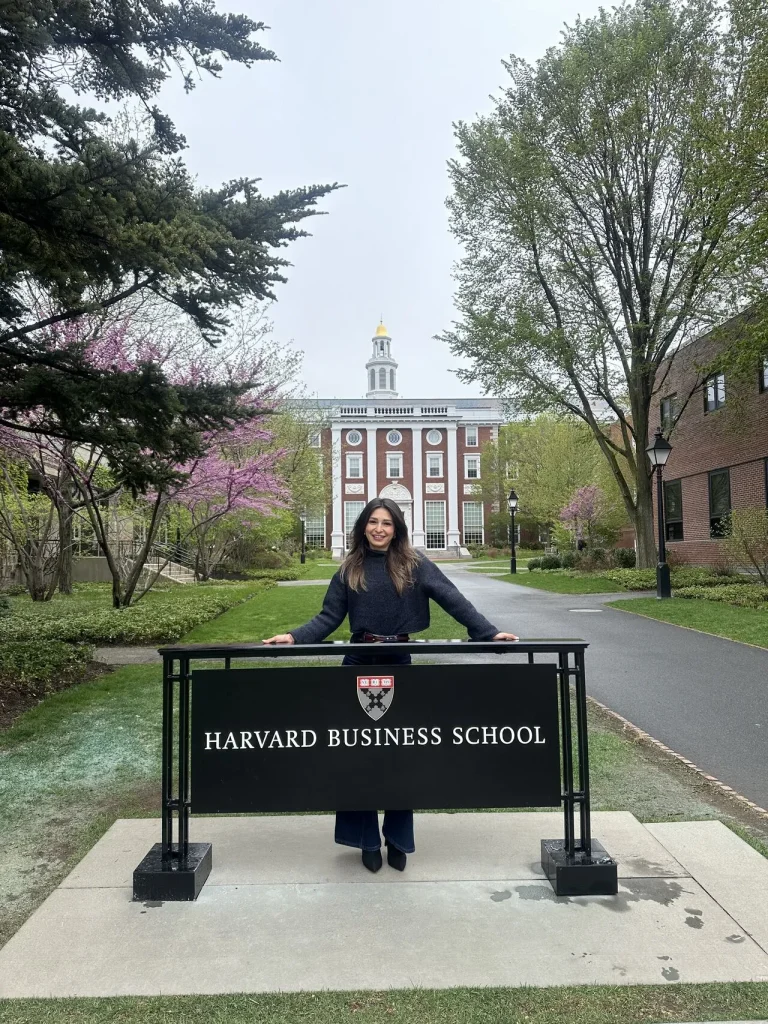
Alongside my technical career, I have also invested heavily in personal and leadership development. Most recently, through participation in the New Leaders for Working Executives programme at Harvard Business School, I deepened my understanding of building strong team structures, encouraging psychological safety and recognising that leadership is as much about people as it is about performance.
Key Skills
What skills are most important in your role?
A strong technical and regulatory foundation is essential, but communication is just as important. As you progress into leadership roles, you work with many different stakeholders, including customers, regulators and internal teams across different locations.
Clear communication helps ensure expectations are aligned, risks are managed and projects are delivered efficiently, especially when teams are not co-located.
Industry Outlook
How do you see the aviation industry evolving in your field?
Innovation and technology are moving incredibly fast, even in an industry that traditionally evolves more slowly. Predicting the future is difficult, but being prepared is key.
I’m inspired by examples like the one from ANA Japan, where two aeronautical engineers proposed exploring “presence without physical movement” – an idea many dismissed as useless. But the CEO encouraged them because innovation is inherently unpredictable. They began developing robotic technology, and when COVID hit, their work found an unexpected purpose: hospitals used their robots so people could remotely visit family members, connecting and speaking with loved ones they couldn’t see in person.
That’s what innovation means to me – you can’t predict what’s coming, but you can set up a team and invest in being ready. Many organisations are now building innovation departments because they recognise they need to be prepared for change, even if they can’t anticipate what form it will take. It’s become a new kind of leadership.
Digitalisation is already transforming how we work. Moving away from hard copies towards data-driven systems will fundamentally change aviation operations. It might seem basic, but keeping data digitally means it lasts forever – and once we have all that data, we can build so much on top of it. This is just the first step towards a much bigger change.
Women in Technical Aviation
What has your experience been like as a woman in this sector?
I hope we reach a point where we talk less about gender and more about individual capability. Have you ever asked that question to a man? I don’t want to be pointed out as a woman – I want to be recognised as a good engineer.
At university, we all learned the Bernoulli principle, the basic principle of flight. It doesn’t change depending on whether a woman or a man applies it. We do the same work throughout university and throughout our careers.
Diverse teams bring stronger ideas and broader perspectives, but they’re also harder to manage than homogeneous ones. That’s why strong leadership is essential to create truly diverse teams. Since men still hold most senior positions, they should take more responsibility – they shouldn’t be afraid to work with women and should actively build diverse teams. The more diverse your team, the more ideas you have, and that’s the best mix for success.
Advice for Future Talent
What advice would you give to young women considering a career in aviation?
Focus on building real competence and don’t let self-doubt hold you back. Aviation is demanding and can be really stressful because of the responsibilities – and honestly, the money involved in such high value assets. But if you stay curious and open to learning, you will earn your place in this industry.
Outside of Work
What keeps you motivated outside of the workplace?
Sport plays a big role in my life, particularly CrossFit, HYROX and surfing. These activities challenge me both physically and mentally and help build resilience, which translates directly into my professional life.
Join Our Newsletter
Subscribe to receive our latest updates in your inbox!